
Since the first rudimentary hoists were developed and used, there has been a continuous evolution in lifting technology, both in terms of the technology used and the materials used. However, in recent years, innovative solutions have also emerged which, if widely adopted, could have a significant impact on the future of the industry as a whole.
Here are four changes that could lead to a major transformation in the lifting market and product development in the near future.
1. Increased security
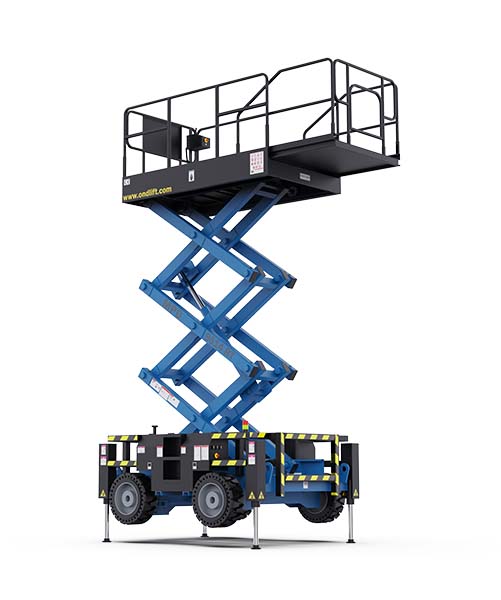
Electronic safety solutions, already widespread in cranes, will become increasingly popular in mobile elevated workstations, i.e. ollós and gum lifters among others. In the short term, it is expected that become compulsory and then the Security Features, such as the inclinometer, the height limiter or the load sensors built into the platform.
In addition, modern lifters can tell you the values measured by these sensors provide continuous feedback for operators, thereby safer and making the lifting more efficient.
2. The intersection of security technologies
They will also improve safety at work by, from other industries - mainly from the car industry - Retrieved from and expected to become standard soon technologies, such as advanced, customisable camera and/or sensor-based distance detection systems or systems that monitor and warn of the attachment of a safety rope/strap.
3. More predictable operation
A advanced electronic systems not only improve safety on the job, but also significantly increase operational safety.
With built-in internal sensors continuous flow of information between the machine and the operator, so that the operational status of the equipment can be monitored at all times, as well as the risk of possible failures or malfunctions.
Further perspectives can be opened up by bug fix, maintenance remote access to machines, making diagnostics, fault detection and subsequent repair faster and easier.
With accurate, up-to-date information, you can significantly reduce the risk of downtime, schedule maintenance and plan the life cycle of hoists and lifting fleets.
4. Increasing the importance of user feedback
Product development is expected to significantly the emphasis shifts feedback from owners and operators of lifting fleets to listen to the experiences and suggestions of actual operators, end users.
User experience, rather than dominance of technical features, can be the driving force behind improvements.
Developments based on these principles are expected to lead to a significant increase in the lifting machines in the fields of maximising productivity and safety at work, the experience of which will also lay the foundations for further innovation.