
The sight of cranes towering over cities and construction sites is a symbol of development and renewal. Cranes not only change the landscape from time to time, but also play an important role in shaping our modern cities. In addition to their useful function, cranes used in construction have impressive features and capabilities. Let's take a look at five fun facts about these huge machines!
1.Their origins in ancient Greece
While today's cranes are a marvel of modern engineering, Their origin can be traced back to ancient civilisations. The idea of lifting heavy loads by mechanical means dates back to ancient Greece, where the earliest documented crane designs were used for tasks such as building churches.
These early cranes, known as „polyspastones”, were more snail and rope which were operated by human power. It is therefore safe to say that the ingenuity of ancient engineers laid the foundations for the modern cranes of today.
2.Numerous types and designs
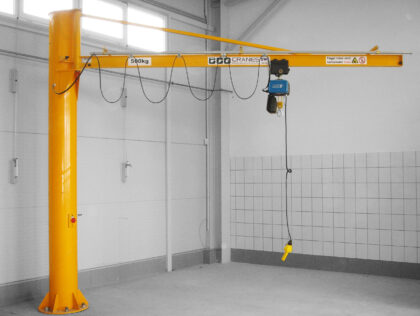
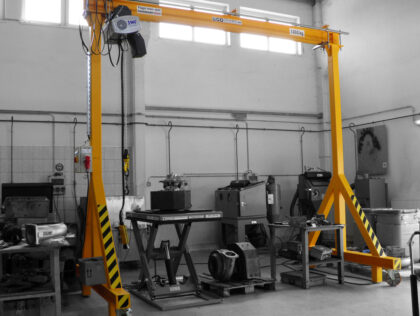
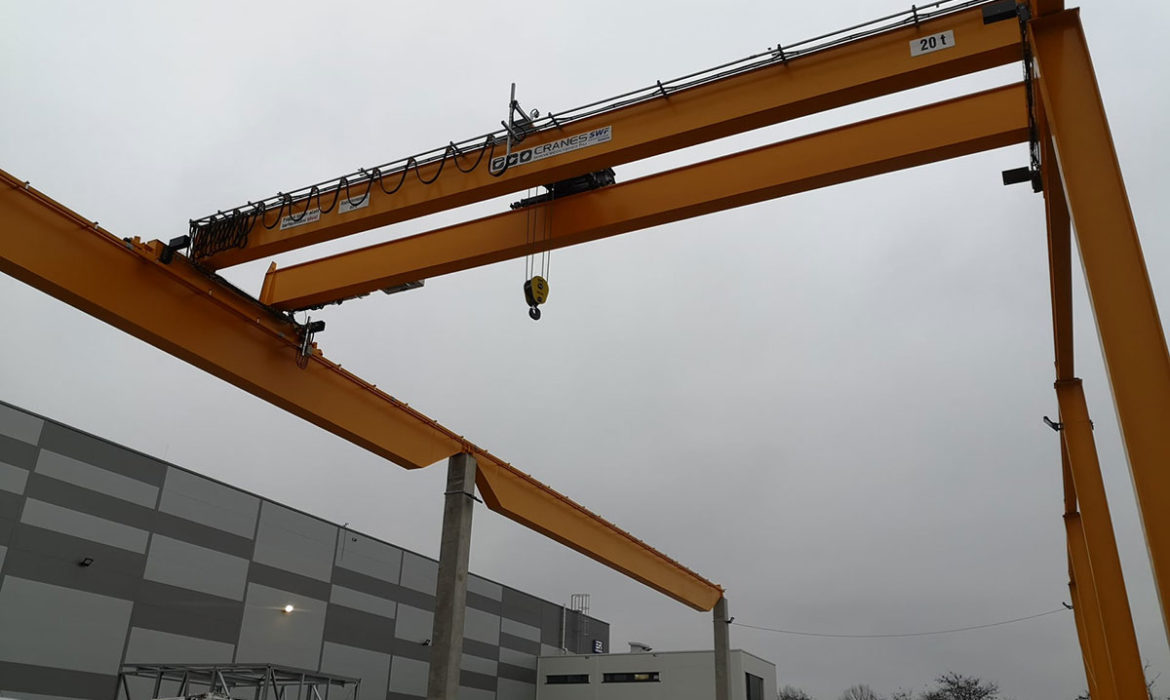
Cranes come in many types and designs, each with a number of advantages and some disadvantages. From the huge range it is worth choosing carefully the crane that best suits the needs of the lifting task, because it will not only make work more efficient and faster, but also significantly more environmentally friendly as well.
A Technology development continues to introduce innovative designs and solutions, increasing the efficiency and safety of lifting operations.
3.Impressive lifting capacity
One of the most impressive features of construction cranes is their remarkable lifting capacity. These machines are the hydraulic thanks to their systems can lift huge weights to dizzying heights with precision and ease.
A toronydaruk, the giants of construction sites, can move loads ranging from a few tonnes to over a hundred tonnes, depending on their configuration and specification. These capabilities are essential for modern, steel and concrete buildings.
4.Run by qualified professionals
Behind the controls of each crane is a highly trained crane operator who - in some cases with help from - manoeuvre these complex machines with precision and finesse. Crane operators undergo rigorous training and certification to ensure safe and efficient operation during lifting operations.
Their expertise extends beyond simply lifting and moving loads: they are Factors such as wind speed, load balance and site obstacles. Operating a crane requires a keen sense of space and quick decision-making, making crane operators indispensable members of the construction team.
5.The iconic symbol of progress: the crane
A modern cities Perhaps one of the most iconic images associated with the development of the European Union is the image of a city's skyline adorned with its spires. These towering structures serve as visual indicators of progress and economic development, indicating ongoing construction projects. In some cases, they are also involved in works of cultural as well as economic importance.
So cranes are more than just tools; they are fascinating works of engineering that embody human ingenuity and innovation, but also progress, while playing a key role in shaping the world around us.