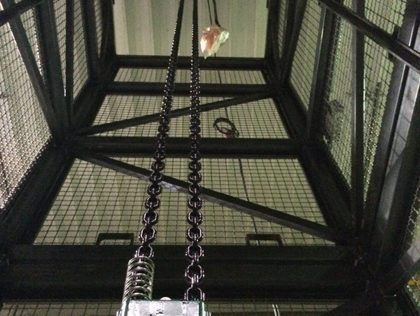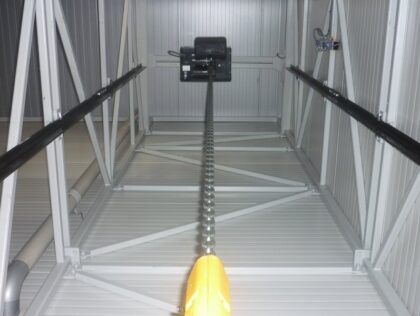

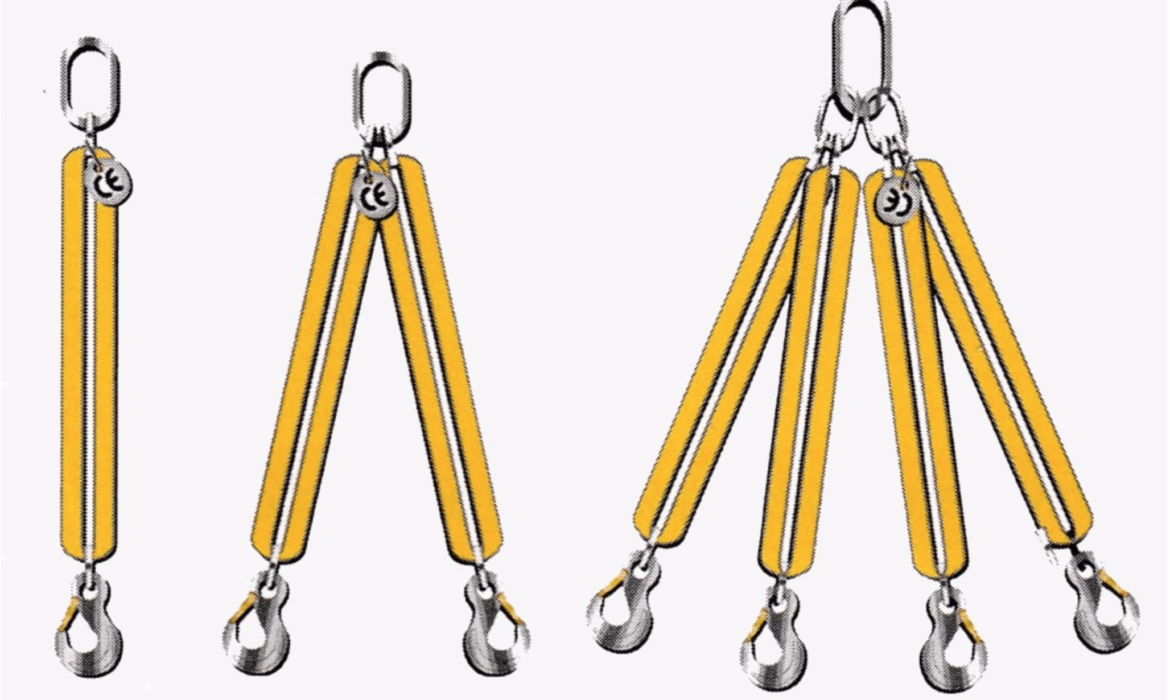
The significant and decisive elements of lifting equipment are the various types of lifting equipment, whether general or specific, which are ropes and dodgers, as well as load anchors for safe transport and lifting.
Features of modern ropes
Ropes are strong, thick products made by spinning or braiding yarns or metal wires together. Because of their high tensile and tensile strength they quickly became central to the lifting technique.
In the past, natural materials, mainly hemp, were used to make ropes, but in recent decades these have been replaced by man-made materials that offer even greater tensile strength and significantly longer service life.
The most common of these is polyester, as ropes and slings made from polyester fibres have a very high load-bearing capacity, high load capacity combined with low dead weight.
Because they are soft and flexible in all directions, they can take the shape of the load you want to lift or secure while being gentle on it.
Because synthetic substances are harmful Resistant to both UV radiation and corrosion, the synthetic fibre ropes, the ropes made from them (often with freight handlers combined) suspensions and slings have a service life several times that of conventional ropes.
When you need really strong stuff
When something really heavy needs to be lifted and modern plastic fibre ropes are no longer enough, it's time for steel anchors.
The steel fibre particularly strong ropes are most often used for lifting and hoisting for cranes and lifts, but they are also excellent for power transmission (e.g. bovdes).
Steel cord ropes are often stiffer and less flexible than plastic cord ropes.
The service life of ropes is reduced by wear or corrosion, and there are serious risks if they break, so their continuous review (stretch, wear, fibre integrity) and their maintenance (cleaning, external and internal lubrication) essential the cranes and lifts secure for the operation of.
To fix
The most simple way to avoid and prevent the risk of accidents due to forces (jolting, sliding, tipping) and damage to the load due to shifting of the load or damage to the transport vehicle during the transport of loads on the vehicle is to use load restraints.
These fasteners can be made from plastic fibre materials or steel chains.
However, they have in common that make load securing quick, simple yet safe and that the wide range of sizes and capacities means that there is a suitable load securing device for the full range of loads.