
As explained in our article on aluminium in the previous part has already been made clear, its widespread use and application is largely due to its ease of shaping. The second part of our series of articles is about this, about the machining and use of aluminium.
Machining
The original aluminium at the end of the production process most commonly pressable billet, cast sheet or castable alloy is available in the form of.
In line with this, the most common forms of machining - similar to the steel to shape - pressing, rolling and moulding.
Casting
The physical properties of aluminium can be modified by mixing it with other metals. The alloy in its heated, liquid form, this light metal can increase both the strength, both in its malleability and in its colour (bright or matt aluminium). After solidification, the alloyed and cast aluminium can be further shaped by extrusion and rolling.
Pressing
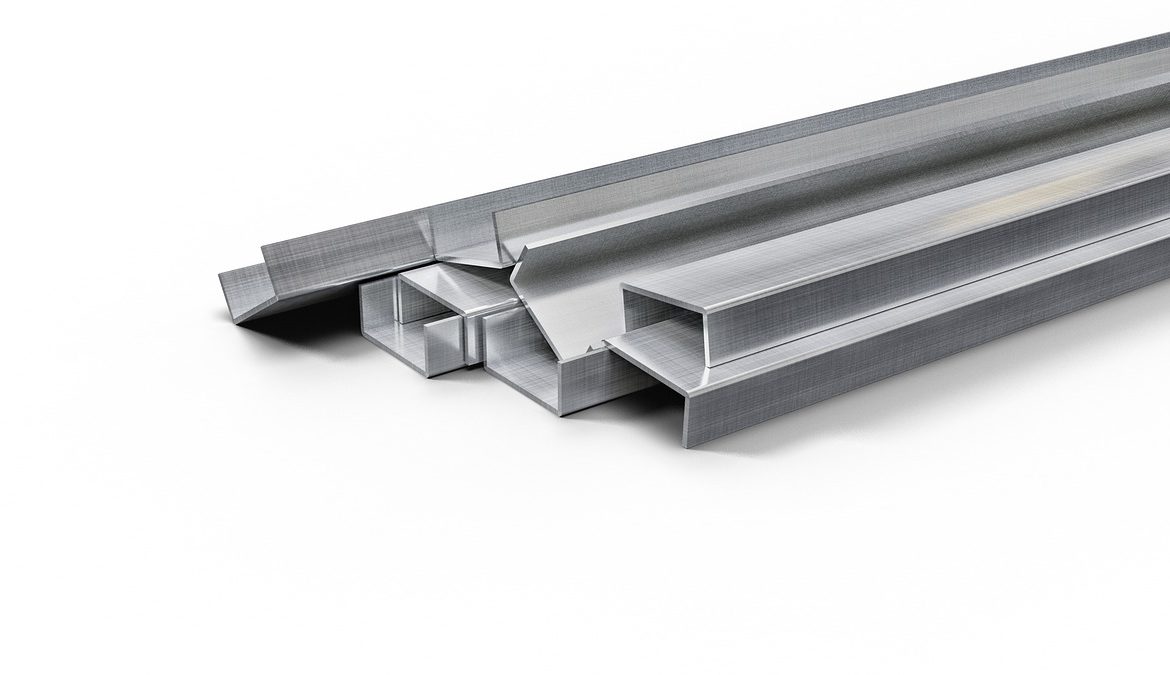
Extrusion is a relatively simple mechanical process in which the pure or alloyed aluminium is can be formed into ready-to-use shapes or profiles.
Rolling
Rolling is also a mechanical machining process. It involves the removal of solid aluminium is stretched into sheets of the desired thickness. An extreme example of rolling is the aluminium foil, which is found in every household and is less than 1 mm thick.
Usage
Packaging industry
Thanks to its long service life, corrosion resistance and excellent thermal conductivity, aluminium machined using the above methods is highly widely used metal in the industry in almost all segments, but also in our homes.
Alongside aluminium foil in the kitchen cupboard, almost every household has a cupboard made of aluminium, which is not harmful to health. cooking pots and other kitchen utensils, while our fridges are also filled with aluminium-wrapped soft drinks or beers.
Transport
Aluminium is a lightweight but heavy-duty metal, so its use reduces the energy consumption of vehicles and therefore are also widely used in the automotive and aerospace industries.
Road signs are also made of aluminium alloy, which is why they have long been a favourite target for non-ferrous metal thieves.
Construction, mechanical engineering
In addition to vehicles, the construction industry and mechanical engineering is also a popular choice for lightweight but strong aluminium for various structural elements manufacture during. The light metal elements have high strength indicators even at lower weights than steel, and their lifespan is particularly Treatment or without care is outstanding.
Recycling
In addition, the lifetime of aluminium can be further extended by recycling: the production of the original aluminium uses only 5% of the energy required to produce Recyclable in 100%. The properties of the resulting metal are fully identical to those of the original aluminium, so is not only energy efficient, but also a sustainable raw material.
The image is from From Pixabay downloaded.