
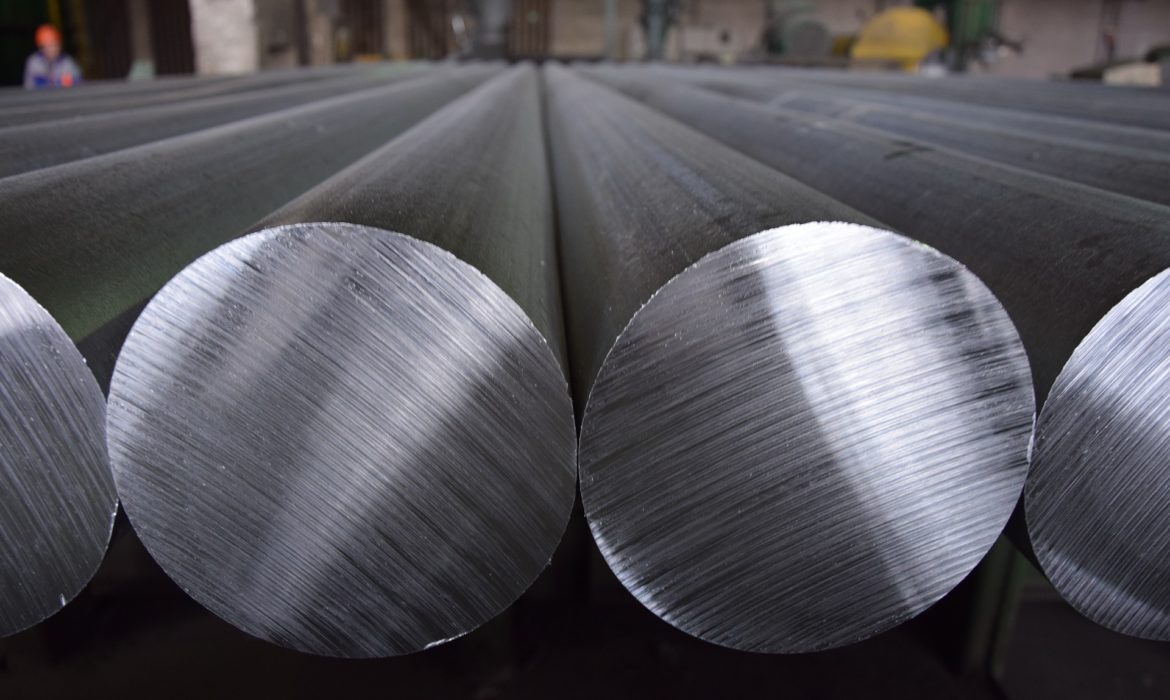
Aluminium is a common, low-weight, easy to shape and form, corrosion-resistant metal and is therefore widely used. It is also often used in lifting applications due to its many favourable properties, so it is worth learning a little more about it.
Features
Aluminium is soft, Available at, a silvery white, powdery grey light metal belonging to the periodic table, main group III. Rank 13, callsign Al.
After oxygen and silicon the third most common element in the earth's crust, but because it reacts easily with other chemicals, it does not occur in its elementary state.
Important component clay minerals, bauxite, mica and several rock-forming minerals called aluminosilicates.
A vassal and with steel unlike does not corrode, as air causes a layer of oxide to form on its surface in a very short time, protecting it from further oxidation.
The protective oxide layer on aluminium products is artificially thickened. The process is called anodising.
Its history
Although alum was known in antiquity, first Lavoisier, then Davy, guessed that it might be a salt of a hitherto unknown metal, which Davy named „aluminium” from the English „alum” after its name.
Ørsted first succeeded in synthesising metal in 1825. The world's first aluminium ingot weighing 1 kg was produced at the 1855 Paris World Expo were presented. The price of the new metal at the time rivalled that of gold, but in 1866 Charles Martin Hall and Paul Héroult discovered - independently of each other - that can be produced in large quantities by cryolite electrolysis, so it has become much more affordable.
Prepared by
Aluminium can be produced from bauxite through alumina. The process is as follows:
1. Bauxite mining
The production of aluminium in the raw bauxite starts with mining. This material, which is mostly found in the equatorial belt, has a high, 15-25% aluminium content.
2. Alumina refining
Bayer's refining technology is used to extract alumina from the extracted bauxite. In alumina, aluminium oxide is bound to oxygen, a bond that must be broken by electrolysis. From alumina 2:1 (i.e. 1 tonne of aluminium from 2 tonnes of alumina) is used to produce the original metal.
The original aluminium thus extracted can now be machined. This, and the aluminium its uses in our next article.
The image of the From Pixabay comes from.