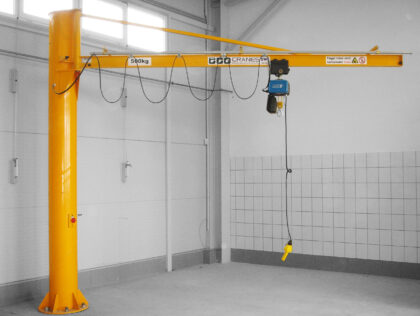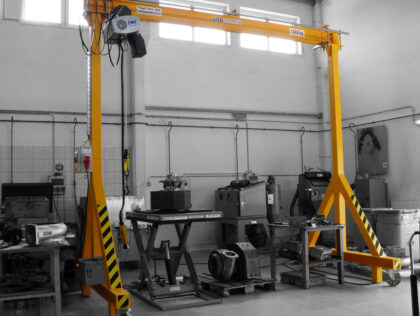

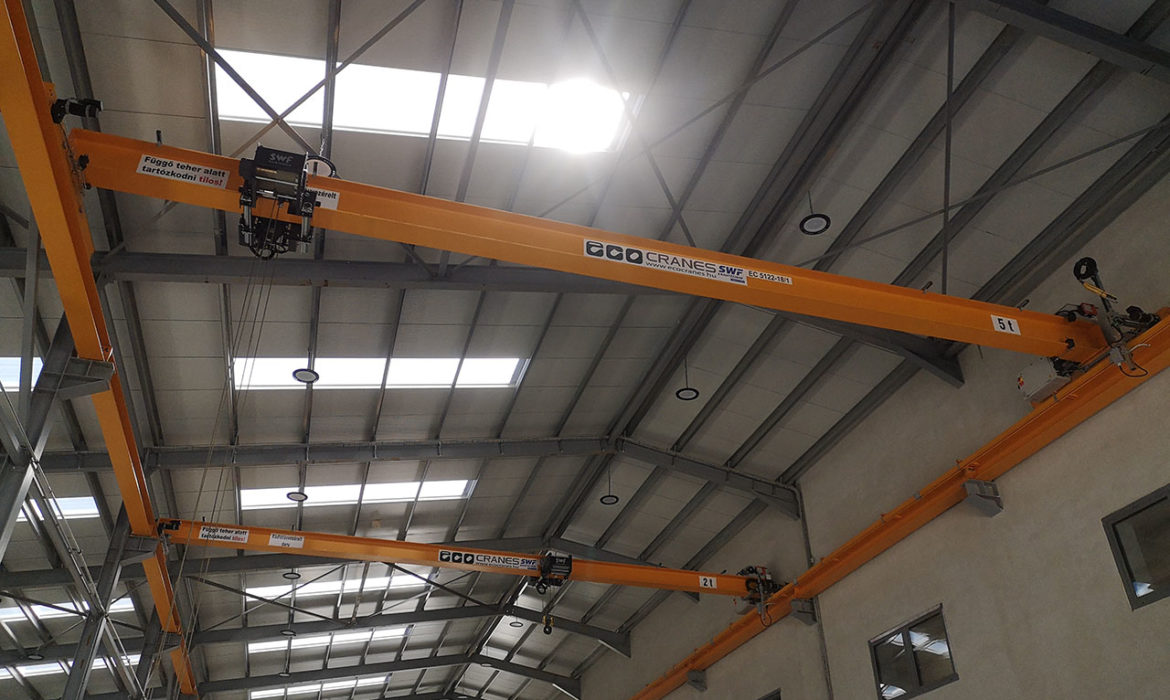
When designing cranes, engineers must have complex knowledge in order to meet the complex challenges and complicated tasks involved in designing a modern crane. This overview covered previous post. Today's material will cover the stages of the crane design process and the specific steps that need to be taken during each stage.
The crane design process can be divided into several stages, each of which is essential for the successful creation and operation of a crane:
- Requirements analysis: The process begins with understanding the specific needs and requirements of the project. This includes customers, clients held discussions and conducted on-site surveys to ensure that our colleagues determine the type of crane required, its load capacity, operating environment and any special functions.
- Concept designBased on your requirements, our engineers will prepare preliminary design concepts. These concepts take into account the type of crane, its lifting capacity, accessibility and mobility.
- Detailed planning: Once the concept has been selected, taking into account the customer's requirements, our staff develop detailed plans. This step involves preparing precise technical drawings, selecting the materials needed to manufacture the crane and specifying components such as motors., winches and control systems.
- Simulation and testing: Detailed plans are subjected to simulations and virtual testing. Our staff use software tools to simulate real-life conditions and identify potential problems. Where necessary, modifications are made to optimise performance and maximise safety.
- Prototype manufacturing and testing: After software testing, a prototype of the crane will be built and further tested. Following successful testing, the final crane will be manufactured and assembled.
- Installation and commissioning: The crane is operated by delivered to the site, where expert technicians install and commission it. The process is supervised by engineers to ensure that everything is set up correctly and that the completed crane operates as expected.
- Operation and maintenance: Following successful commissioning, the crane is ready for use. Our colleagues maintenance They establish routines and ensure safe operating guidelines. They continue to participate in troubleshooting and necessary crane improvements.
As our two posts reveal, crane design is a multifaceted field of engineering that requires knowledge of mechanical, structural and electrical engineering.
The continuously developed expertise of our qualified staff guarantees that we can provide our customers with solutions of the highest possible standard in terms of both functionality and security.