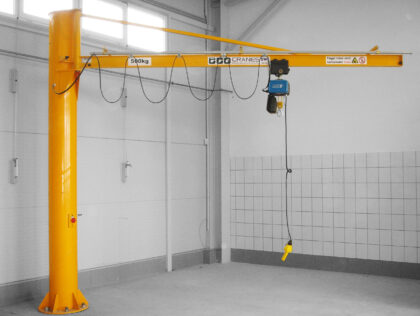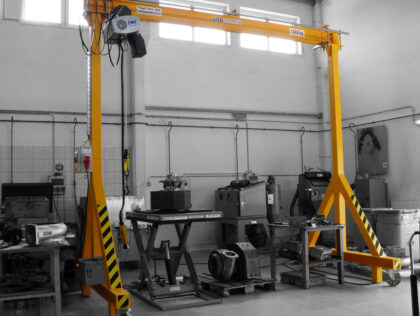

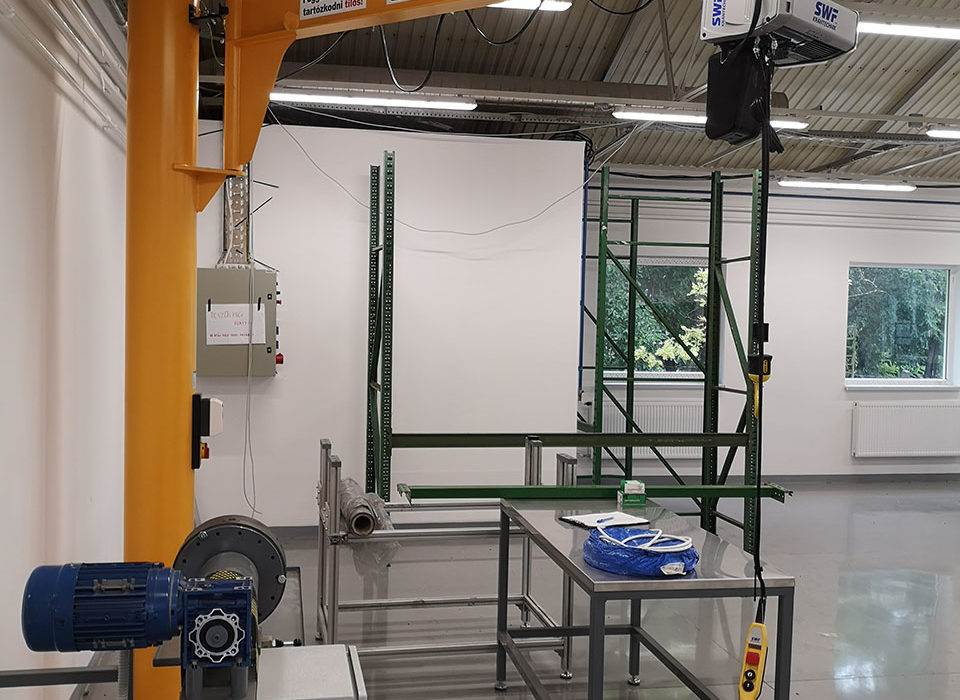
Cranes are essential machines used for lifting and moving heavy loads in various industries such as construction, manufacturing, shipping and logistics. Accordingly, crane design is a specialised field of engineering that focuses on the design, construction, operation and maintenance of cranes. from cigar systems to highly sophisticated automated machinery, requires a thorough knowledge of mechanical, structural and electrical engineering principles.
Engineering tasks in the design of cranes
A crane design engineer plays a key role in ensuring that cranes are safe, efficient and fit for purpose. Crane design engineers perform tasks in several closely related areas:
- Design and development: Crane design engineers design cranes that meet specific operational needs. This includes preparing detailed designs, selecting the right materials for assembly, and ensuring that the designs meet both safety and industry standards. Engineers now use computer-aided design software to visualise and test their designs.
- Analysis and simulation: Engineers carry out in-depth analyses and simulations that predict how the cranes will perform under different conditions. This process includes load calculations, load testing, and dynamic simulations to ensure that the finished cranes are capable of lifting loads without failure.
- Production and assembly: Once the design is complete, the crane design engineers oversee the manufacturing and assembly process. They work closely with the manufacturing teams to ensure that the cranes leave the factory with high quality and meeting industry standards.
- Testing and commissioning: Before a crane is put into operation, it always undergoes extensive testing. Engineers carry out load tests, safety checks and performance evaluations to ensure that the crane performs as expected, is fault-free and meets all the required specifications.
- Maintenance and inspection: Crane design engineers are also responsible for the ongoing maintenance and inspection of cranes. They develop maintenance schedules, carry out regular inspections and troubleshoot to keep the cranes in safe and optimum condition.
- Developments and modernisation: In addition to technological advances, crane design engineers are also working to upgrade existing cranes to improve their efficiency, safety and capabilities. This may involve integrating new control systems, improving structural elements or even adding new features.
As can be seen from the above, the design, manufacture and secure there are many areas where the expertise of engineers is essential.
Crane design is a complex and dynamically evolving discipline that requires engineers to have both in-depth and thorough knowledge and directions for development, knowledge of development trends.