
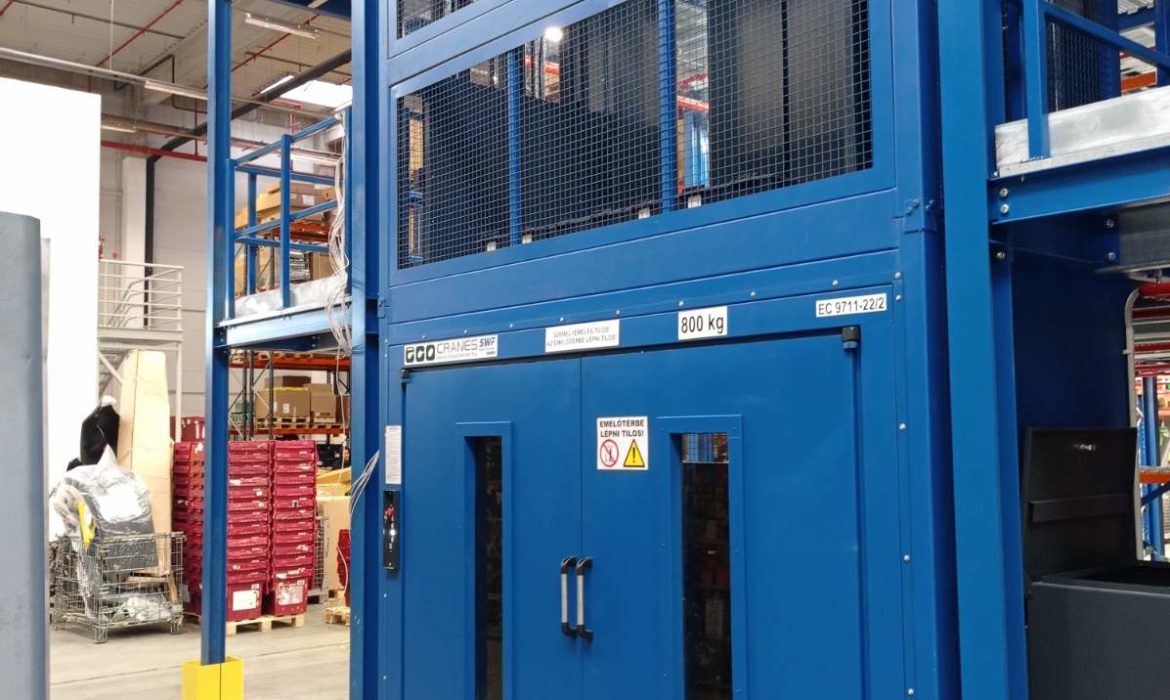
Constantly up and down, carrying countless passengers every day, all over the world. Lifts make our lives much easier, Mr Otis' invention for example, it would be very difficult to get to the higher floors of tower blocks. Not to mention the real skyscrapers. To ensure the continuous yet safe operation of the lifts - regular maintenance safety systems installed by manufacturers also make a significant contribution.
Lift safety systems use a variety of mechanical and electronic devices to protect the safety of users and buildings. Let's look at the most important ones, which are found in most lifts.
- Door prices: The doors of most modern lifts are electronically and automatically closed and only open when the lift reaches the correct level. The solution prevent passengers from falling out of the lift or opening its doors in irregular and dangerous places.
- Overload sensors: Most lifts also have a system that detects when the lift is overloaded, i.e. when the total weight of the passengers exceeds the weight limit set by the manufacturer. In such cases the safety mechanism signals a fault and does not allow the overloaded and therefore accident-prone lift to start.
- Automatic emergency stop: If the lift sensors detect a fault because the lift accelerates or falls suddenly, the automatic emergency stop is activated immediately, braking the lift and prevents its further operation. This feature helps to prevent accidents resulting from the lift malfunctioning.
- Fire protection systems: Elevator fire protection systems prevent the spread of fire in the elevator shaft and the building. They systems consisting of smoke and heat detectors, fire alarms and automatic fire extinguishers capable of stopping lifts if necessary. As already reported in our previous post has been mentioned, the lifts usually return to the ground floor in such cases.
- Communication channel: In the event of a technical fault passengers trapped in the lift can contact the operator or the manufacturer's technical assistance. In addition to voice communication, modern lifts are now equipped with security cameras that monitor activity inside the lift, preventing vandalism, theft and attacks in the lift, increasing the safety of users.
In addition to the above, modern lifts and lift systems may also have additional safety features such as automatic door locking systems, emergency stop buttons for disaster situations, and disabled with special safety features for people.
But the most important thing remains that lifts - of course with their safety systems and features - regularly maintained and check, to minimise the risk of accidents occurring during their operation.