
For a long time, the maintenance of lifts and hoists was governed by a single approach: the engineer would inspect the equipment either at the time of a scheduled inspection (half-yearly, annually) or in the event of an unexpected fault that caused the equipment to shut down. With the rise of IoT technology and artificial intelligence, this approach is undergoing a radical transformation. Modern lifts and hoists now continuously „monitor” their own condition and can indicate if something is wrong, even weeks before an actual fault occurs.
How does the lift actually „notify” you?
Located in the engine room, the shaft and the control room itself Sensors continuously measure the equipment’s key parameters: the engine’s vibration and temperature, the current draw, the door opening and closing cycles, the braking distance or even the cable tension.
These figures speak volumes in their own right, but their true value lies in the fact that the system constantly compares them with the equipment’s „healthy” baseline condition.
From data to the mechanic’s toolbag
The control system sends the data from the sensors to the cloud, where algorithms analyse the patterns. If a bearing starts to wear, its vibration pattern changes in a characteristic way; if the load on a motor increases, its current consumption also behaves differently.
The system uses these discrepancies to identify the likely cause of the fault and sends an alert, so that the engineer can already It arrives with specific details about the fault and, in many cases, even the necessary spare part to the site to carry out the repairs.
Tried-and-tested solutions on the market
Major lift manufacturers have been using this technology in live operations for years. The systems monitor up to 200 parameters in real time, meaning that around 80% of problems can be dealt with proactively, even before a breakdown occurs, thereby reducing downtime by an average of 30%.
Cloud-based systems can process data from several thousand devices simultaneously and they are constantly refining the error-detection algorithms. This makes it possible to recognise patterns and improve the effectiveness of error prevention, as well as to detect various types of errors as early as possible.
Not just at the passenger lifts
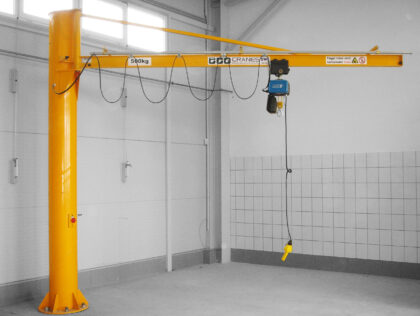
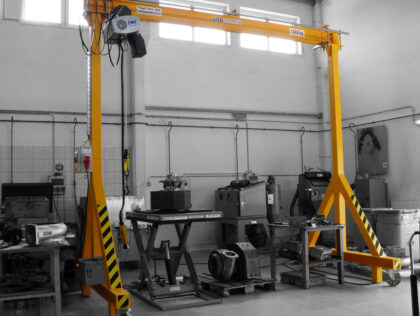
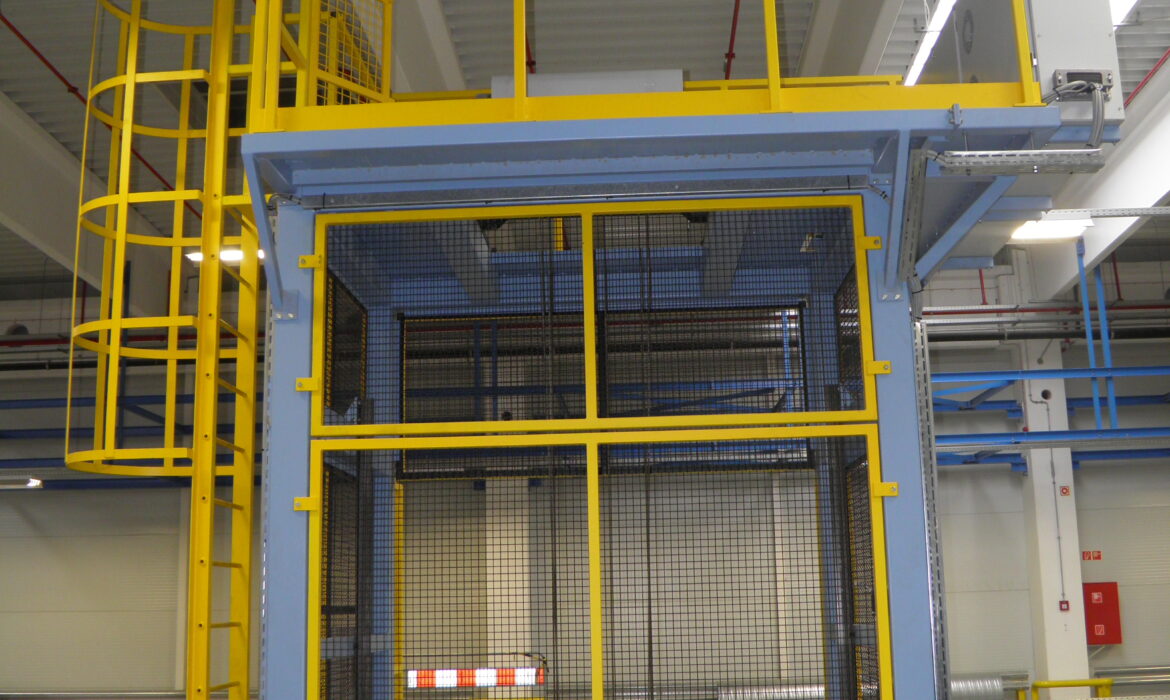
The trend doesn’t stop at indoor passenger lifts. In the industrial sector, at the cranes, on hoists and at goods lifts the same logic is beginning to take hold: The sensors that monitor the condition of the motors, gearboxes and rope systems are also capable of sending signals here wear and tear, before it develops into a fault that could jeopardise productivity or safety.
This is particularly important for equipment that operates for decades, often in harsh conditions.
In the next instalment of our series, we will examine just how much money all this can save an office building in practice – from fewer unexpected downtimes and more satisfied users right through to energy efficiency.
Call our experts (+36-27-360823) or Request a callback for the immediate or scheduled maintenance of your lifting equipment!