

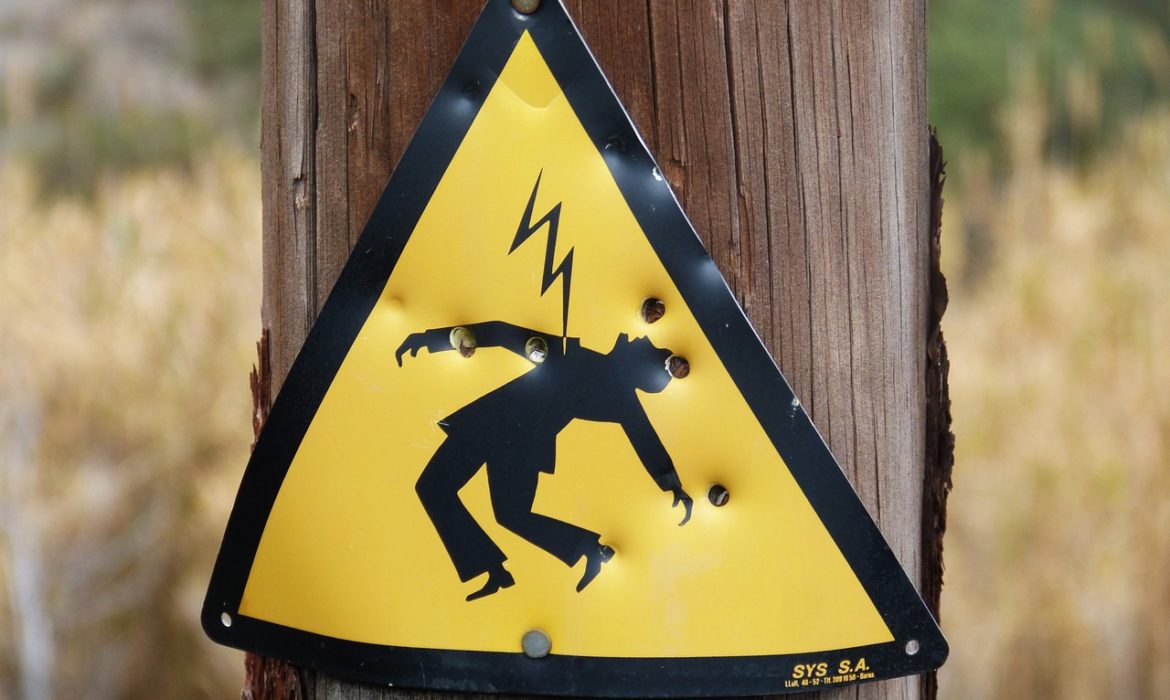
Electricity is a vital part of modern life, powering our homes, workplaces and the devices we use every day, just as much as it powers our load lifting, material handling the machines used in the process. But electricity, while making tasks much easier, can also pose serious risks, including the possibility of electric shock.
What causes electric shock?
A shock is when an electric current passes through the body. The effects of electric shock can vary widely depending on factors such as the voltage or the path through which electricity travels on the body.
Generally speaking, electric shock can cause a range of injuries from mild to severe. These injuries can include burns, muscle contractions, nerve damage and even cardiac arrest.
The electrical burn is one of the most common consequences, the severity of which depends largely on the duration of contact and the voltage involved.
Even the consequences of minor electric shocks should not be taken lightly! Although a minor electrocution may not necessarily lead to immediate serious injuries, it can have long-term consequences.
Minor electric shocks can cause muscle pain, tingling or numbness and can lead to psychological symptoms such as anxiety or fear of electrical appliances.
The potential for more serious consequences increases with the magnitude of the shock and the duration of exposure to electricity, so you should always seek medical advice if you experience even a minor electric shock.
Types of electric shock
Electric shocks are classified into four main types:
- Low voltage shocks: Typically occur at voltage levels below 500 volts and are generally less dangerous. They can cause muscle contractions and minor burns but are rarely life-threatening.
- High voltage shocks: These shocks occur at voltage levels above 500 volts and can lead to serious injuries, including extensive and severe burns, cardiac arrest and even death. High-voltage shocks are more common in industrial environments, so it is particularly important to Risks reduction by complying with health and safety rules.
- Arc Flash: This type of electric shock occurs when an electric arc, a bright discharge of electrical energy, is generated, releasing an intense burst of heat and light. Arc flashes can cause severe burns, eye injuries and even explosions.
- Lightning strike: Although not a common type of electric shock, lightning strikes can be very dangerous as they can cause cardiac arrest, burns and various internal injuries. It is a natural phenomenon, but with some precautions the risks can be reduced.
Five signs or symptoms of electric shock
Recognising the signs and symptoms of electric shock is key to getting immediate medical help, so it's worth knowing the most common ones.
- Burn injuries: A typical consequence of electric shock is an electrical burn, which can be external or internal, depending on the path the current has taken in the body.
- Muscle contractions: Involuntary muscle contractions - also known as tetany - can occur during and after electric shock.
- Numbness or tingling: People who have been electrocuted may report numbness, tingling or weakness in the affected parts of the body.
- Heart problems: A shock can disrupt the normal rhythm of the heart, which can lead to cardiac arrest. Heart problems may be indicated by chest pain, irregular heartbeat or loss of consciousness following a shock.
- Breathing problems: After a stroke, breathing difficulties or breathing disorders may occur, especially if the chest muscles are affected.
The effects of electric shock can therefore vary from mild to severe.
It is essential that treat any electric shock with due seriousness and seek medical attention immediately. The necessary precautions must always be taken to protect the safety of persons working with or near electricity and to prevent accidents.
Marc Pascual image of the Pixabay We downloaded it from.